

January 20, 2026
The One Trillion Dollar Industry
At dawn, long before stock markets open and tech founders refresh their dashboards, millions of African farmers are already at work, hands on the ground; planting, harvesting, feeding cities they may never visit in their lifetime. Their labor sustains economies, yet the sector they power remains one of the most underinvested in globally. What an irony!
According to the African Development Bank (AfDB), Africa’s agribusiness sector is projected to exceed $1 trillion by 2030, driven by population growth, urbanization, rising food demand, and expanding regional trade, quietly positioning agriculture as the continent’s most powerful growth engine. Yet, despite this immense potential, smallholder farmers, who, according to the Food and Agriculture Organization (FAO), produce over 80% of Africa’s food supply, continue to face limited access to financing, modern infrastructure, storage, and markets.
This disconnect is not a failure of the system. It is an opportunity.
Why Agriculture, and Why Now?
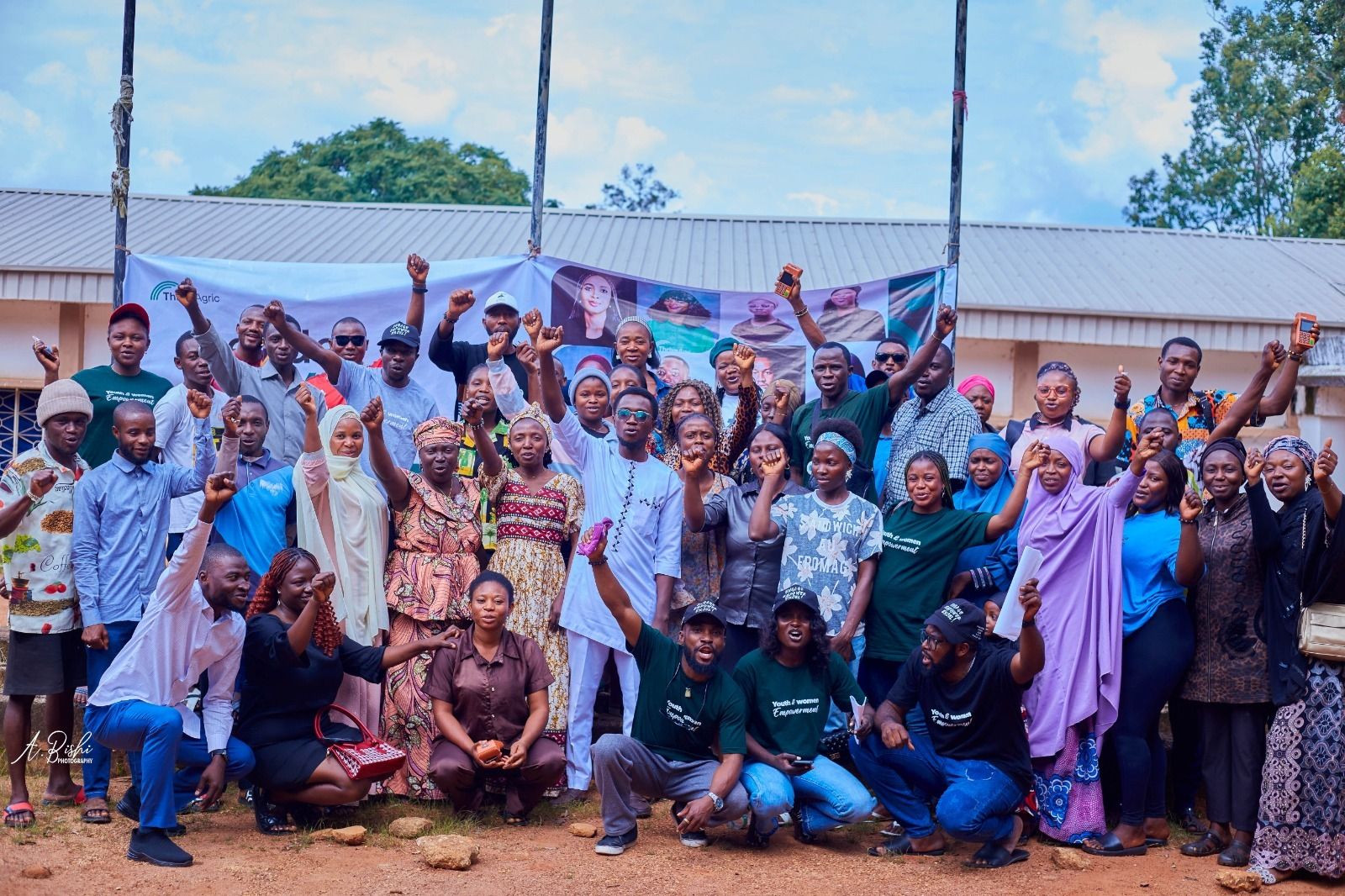
While global capital increasingly chases technology and speculative innovation, food remains the most fundamental economic asset. The World Bank notes that agriculture remains the largest employer in Africa, accounting for up to 35% of total employment and contributing significantly to GDP across many economies. Money truly grows where seeds are planted.
Africa is also expected to host nearly one-quarter of the world’s population by 2050, according to the United Nations Department of Economic and Social Affairs (UN DESA). Feeding this population will require smarter investments across the entire agricultural value chain from production and processing to logistics, storage, and distribution.
The Multiplier Effect of Investing in Smallholder Farming
A report by the International Fund for Agricultural Development (IFAD) shows that growth in agriculture is two to three times more effective at reducing poverty than growth in other sectors.
This means that every ₦1 invested in smallholder farming generates a ripple effect:
- Jobs are created, particularly for youth and women, which promotes inclusion
- Household incomes increase, improving the standard of living
- Local markets stabilize, reducing price volatility
- Communities become more resilient to economic and climate shocks
This is an impact that compounds over time.
Agriculture Is Not Charity, It’s Smart Economics
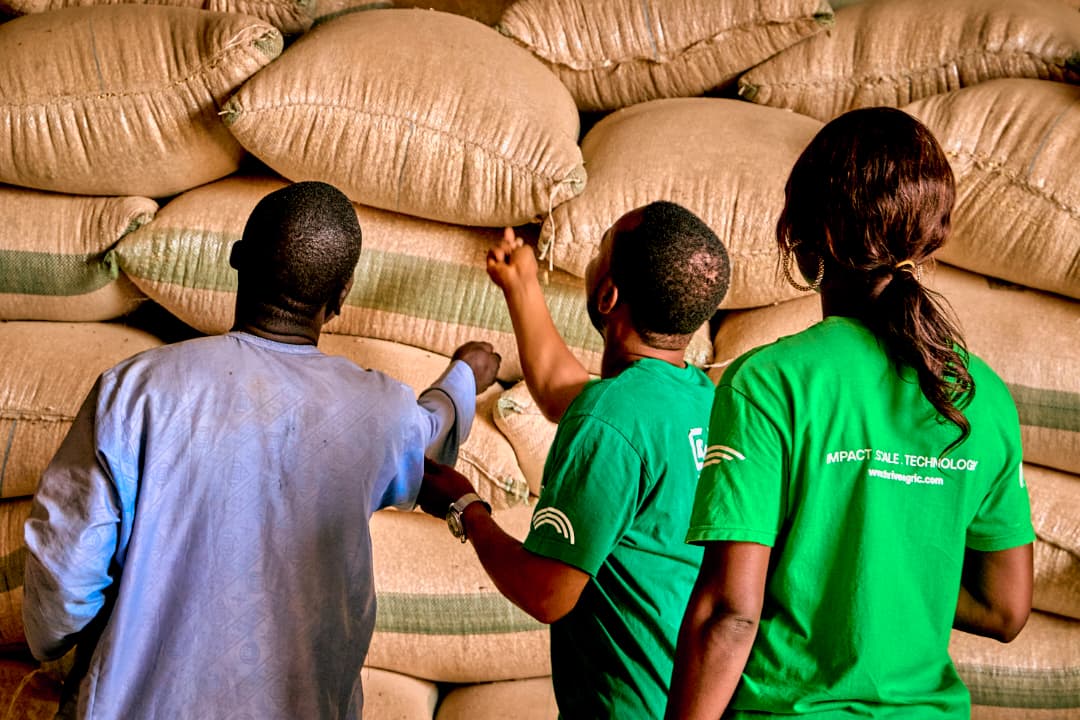
For decades, agriculture in Africa has been framed primarily as a development challenge. Today, that narrative is shifting. With improved data, digital platforms, climate-smart practices, and access to structured financing, agribusiness is becoming a scalable, investable, and resilient sector.
The AfDB’s Feed Africa Strategy highlights that closing Africa’s agricultural productivity and financing gaps could unlock billions of dollars in value, reduce food imports, strengthen local currencies, and boost regional trade. This further buttresses that food is not a trend; it is a global necessity.
The Most Fertile Ground Is Potential
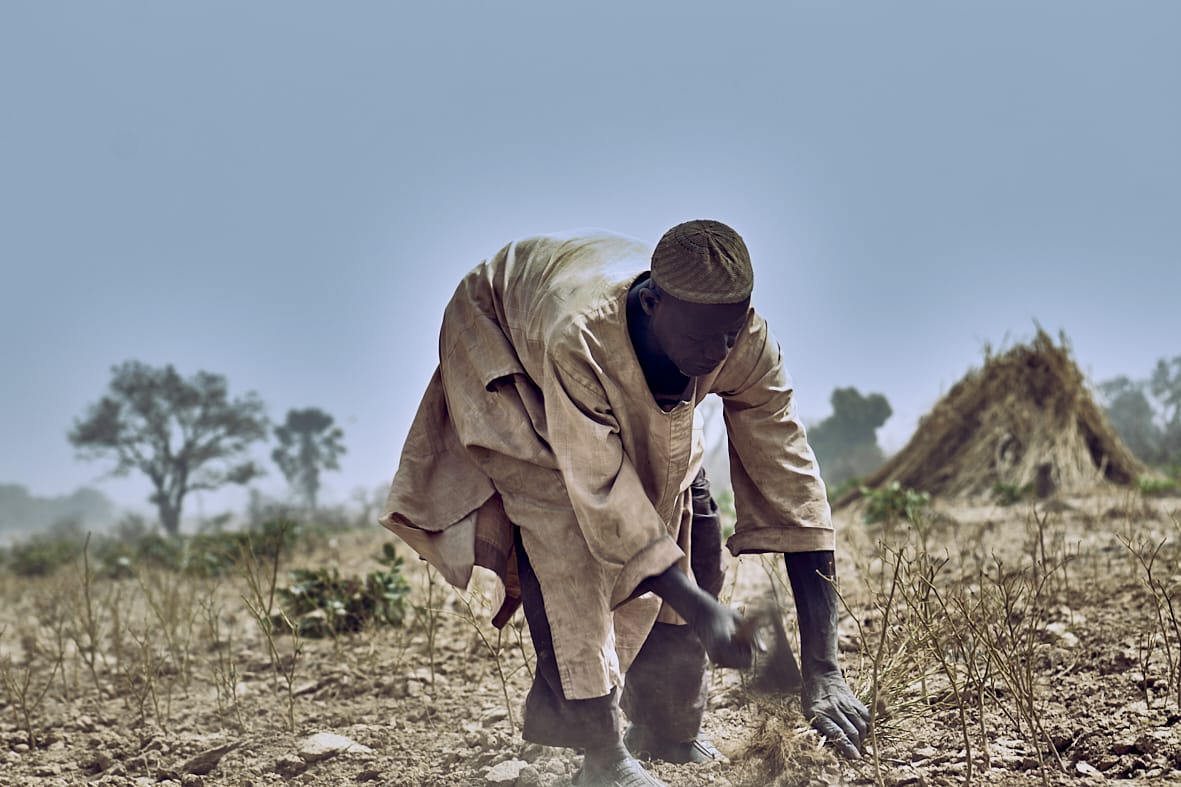
In Africa, the most fertile ground is not just the soil, it is human potential. When capital is intentionally deployed into agriculture, it delivers more than financial returns. It delivers on dignity, stability, and long-term economic growth.
Africa’s $1 trillion agribusiness opportunity is not a distant projection. The same hands that plant seeds at dawn are building the foundation of Africa’s next economic chapter. Agribusiness is no longer a peripheral sector; it is central to food security, employment, and long-term growth. As capital flows shape Africa’s future, the choice is clear: invest where value is created daily, where impact compounds, and where growth feeds generations. Ultimately, this is the new big industry to look out for in 2026 and beyond!


Related Content

Mar 11 2024
4 Mistakes Agribusinesses Make During Inflation & How to Avoid them

Mar 13 2024