

July 29, 2026
Africa’s Deepest Oil Wells: How Agritech and Smallholder Farmers are Securing our Economic Future.
For decades, oil served as the ultimate symbol of power and potential, defining national wealth, global relevance, and economic influence. Nations were measured by their reserves, pipelines, and barrels produced. However, beneath the highly unpredictable crude oil markets, a more sustainable system has been quietly sustaining economies and livelihoods. Across Africa, and particularly in Nigeria, climate-smart agriculture is emerging as the true engine of growth.
Today, agriculture has transcended its role as a mere food source. It has become a primary driver of employment, technological innovation, trade, and climate resilience. In measurable terms, the sector is fulfilling the economic role once held by oil and, in many regions, performing even more effectively.
Agriculture is no longer just a future prospect; it is the current economic reality.
A Global Leader in Employment
The global agrifood system, encompassing farming, processing, logistics, and retail, employs approximately 1.23 billion people. This represents nearly 39% of the global workforce.

In Africa, these statistics are even more profound. Agriculture employs roughly 46% of the total workforce, serving as the cornerstone of rural income and the initial economic entry point for millions of households.
While the oil industry often concentrates wealth within a specialized group of workers and corporations, agriculture distributes economic benefits broadly across farmers, traders, processors, and retailers.
Due to this extensive reach, economists consistently identify agriculture as a uniquely inclusive growth sector.
Economic Impact and the Multiplier Effect
On a global scale, agriculture contributes over $3 trillion annually, representing approximately 4% of global GDP.
The impact is even more significant in developing nations, where the sector often accounts for 20-25% of GDP. In Nigeria, agriculture remains one of the most vital non-oil contributors to the national economy.
The importance of this contribution is amplified by the sector's significant multiplier effect.
World Bank data indicates that agricultural growth is 2-4 times more effective at raising incomes among the impoverished than growth in any other sector.
Every naira generated on the farm stimulates further economic activity in processing, logistics, transportation, and trade, creating a ripple effect of prosperity.
The Backbone of Interconnected Industries
Agriculture does not operate in isolation. It is the backbone of multiple sectors that cannot function without it.
Manufacturing and Animal Feed
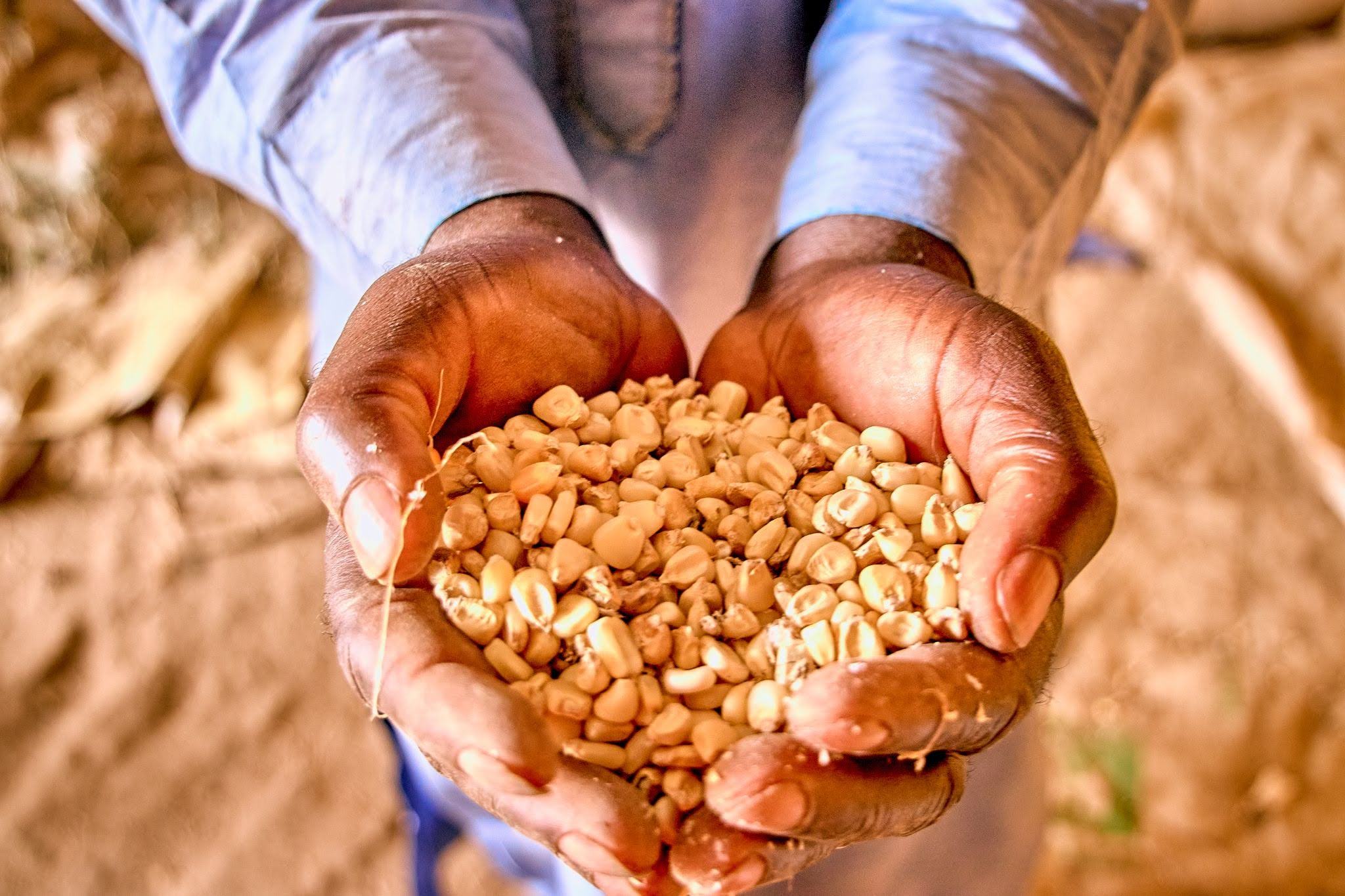
In Nigeria, approximately 45% of domestic maize production is utilized for animal feed. This agricultural output sustains the poultry and livestock industries, which are critical to the dairy and meat value chains.
Without maize production, these industries stall.
Services and Global Trade
Globally, about 70% of the value in agro-industrial exports is derived from services such as storage, transport, and retail distribution.
Furthermore, food products account for around 25% of global freight by weight, making agriculture a primary driver of the global logistics and warehousing sectors.
Energy and Biofuels
Agriculture is increasingly linked to energy security. In the United States, 35-40% of corn production is used for ethanol, while Brazil's sugarcane industry powers one of the world's largest biofuel markets.
This links farm output directly to fuel prices, energy security, and climate policy.
A High-Tech Transformation
A common misconception is that agriculture is outdated. In reality, modern farming is a sophisticated, data-driven enterprise. Companies like ThriveAgric are proving this by providing agritech tools that enable farmers to transition from manual guesswork to precision agriculture.

Today, farmers utilize satellite imagery, drones for precision spraying, AI-powered advisory tools, and digital platforms for financing and market access.
The global AgTech market is expanding rapidly, with technological innovations projected to increase farm productivity by up to 15% over the next decade.
Modern farmers work with dashboards, not guesswork.
Rooted in Culture
Long before oil pipelines, agriculture sustained families and communities.


Related Content

Oct 01 2023
Agritech as an essential partner for enhancing food security in Nigeria

Dec 28 2023